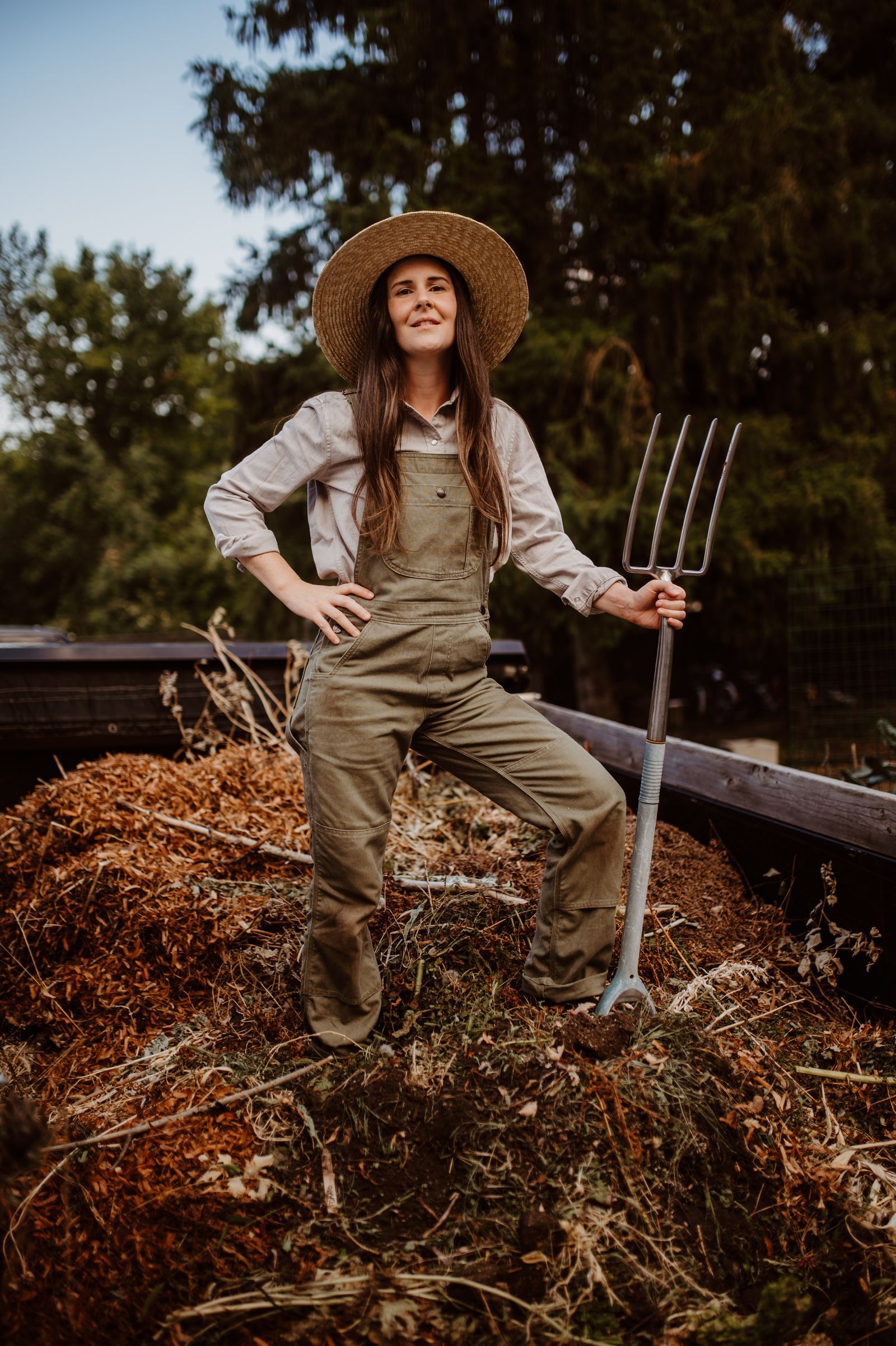
A compost pile that cools down is not automatically a failed pile. Cold weather slows the organisms doing the work. The practical goal is to build a useful mix in fall, prevent it from becoming soaked or compacted, and let warmer weather restart faster decomposition.
1. Build useful volume before the coldest weather
A small pile loses heat quickly. Extension guidance commonly uses roughly three feet by three feet by three feet as a useful minimum for active composting. Do not build an oversized, tightly packed mound that cannot breathe; aim for enough volume with visible structure and air spaces.
2. Save a dry-leaf reserve
Bag or bin clean, dry leaves so you have a brown material available when kitchen scraps arrive. Cover each fresh addition with dry leaves or another suitable brown. This reduces exposed food, adds structure and helps control excess moisture.
3. Check moisture before adding water
The working material should feel similar to a wrung-out sponge—not dusty and not dripping. Winter rain can make an uncovered pile too wet, while freezing or windy weather can dry exposed material. Check the center instead of judging only the surface.
4. Cover without sealing the pile
A breathable cover or suitable lid can limit waterlogging and wind exposure. Avoid wrapping the pile so tightly that air cannot move. The right setup depends on local rainfall, snow, wind and the type of bin.
5. Keep risky materials out
Do not add meat, dairy, fats, oils, pet waste or visibly diseased plant material to a typical home pile. Cold or slow piles may not reach temperatures that destroy pathogens or weed seeds. Bury suitable kitchen scraps in the active center and keep pest access in mind.
6. Expect a seasonal pause
Turning may help an active pile, but constant winter turning is not a promise of fast compost. If the pile cools or freezes, keep adding only appropriate materials, maintain the brown cover and wait. Decomposition should accelerate again as temperatures rise.
Want compost to support a bigger backyard plan?
The Self-Sufficient Backyard is a paid third-party guide covering a broader collection of backyard projects. Review the seller's description and decide whether its scope fits your property, climate, budget and goals.
See what the complete guide includes →Paid affiliate link. We may earn a commission if you purchase, at no additional cost to you. We do not promise specific results.General educational information only. Follow current local extension guidance, ordinances and pest-management rules for home composting.