A productive small backyard is not the one with the most beds. It is the one where sunlight, water, walking paths and crop choices work together. Planning those constraints first helps you avoid buying materials for a garden that is awkward to water or difficult to reach.
Map fixed obstacles, shade and existing traffic.
Prioritize crops your household already eats.
Keep every growing area easy to reach.
Build only what a busy week can support.
1. Draw the usable space
Sketch the house, fences, trees, utilities, patios, play areas and the routes people use. The drawing does not need to be precise. Its job is to identify where a bed or container would create friction. Preserve comfortable paths and confirm utility locations before digging.
2. Record sunlight at three times
Check the space in the morning, near midday and late afternoon. Many fruiting vegetables perform best with roughly six to eight hours of direct sun, while some leafy crops tolerate less. Match the crop to the light rather than forcing a favorite crop into the shadiest corner.
3. Make watering easy
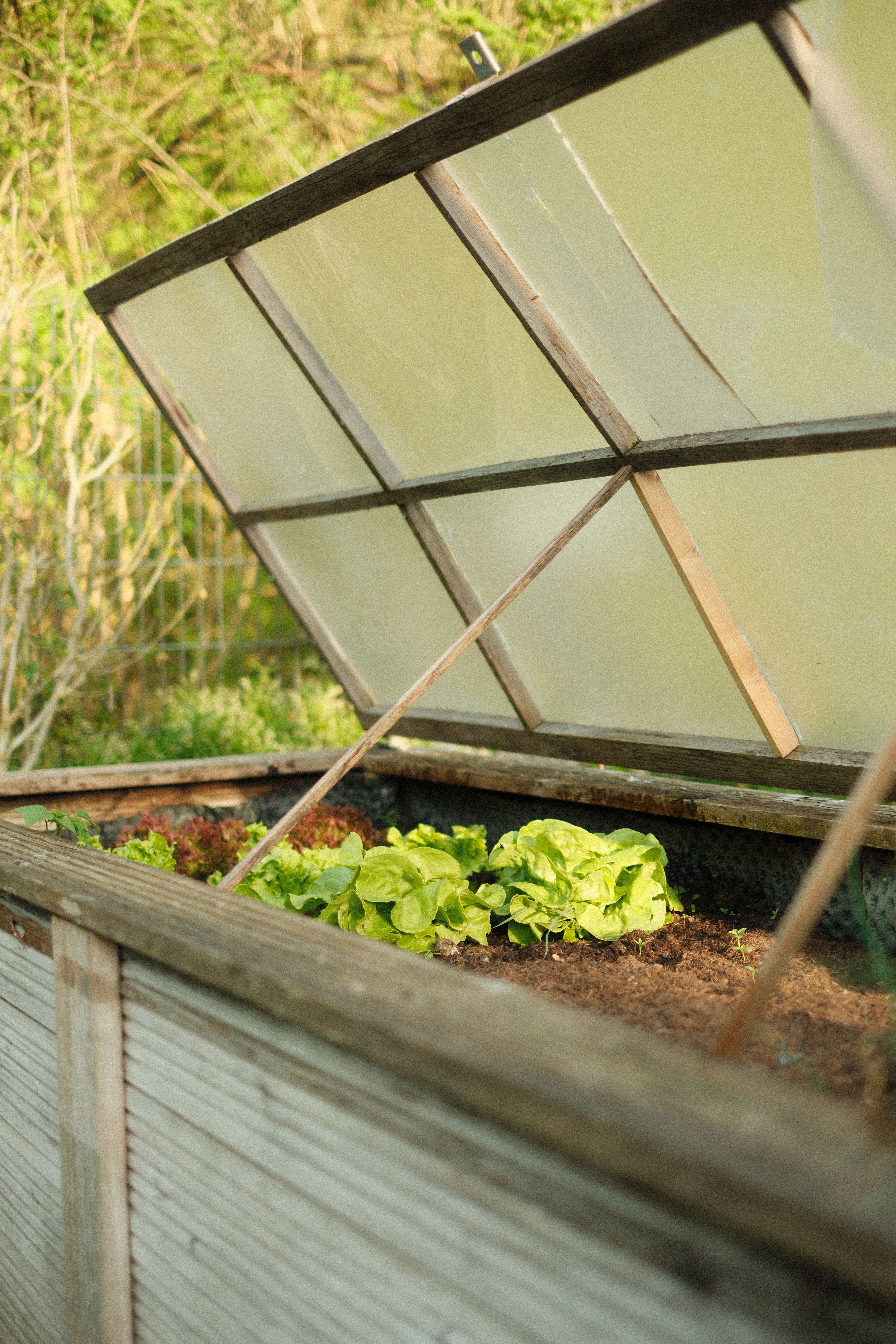
Place frequently watered containers and beds close to a practical water source. Long hoses, stairs and tight turns become daily obstacles. Containers and taller raised beds can dry faster than in-ground soil, so their convenience and accessibility come with additional watering responsibility.
4. Choose food by household value
List what your household eats regularly, then compare each crop with the light and space available. Herbs, leafy greens and compact varieties can provide useful harvests without consuming the whole yard. Large plants may still be worthwhile when they are a priority, but give them space intentionally.
5. Use vertical space carefully
Trellises can move vining plants upward and preserve ground space. Position tall crops and structures so they do not shade smaller plants unexpectedly. Secure supports for wind and keep them where harvesting remains comfortable.
6. Start with one reachable zone
A few containers or one modest bed provide enough information to improve the next version. You will learn how quickly the soil dries, which areas are visited naturally and which crops your household actually harvests. Expand after that evidence—not before it.
7. Plan for succession, not crowding
Instead of filling every inch on day one, reserve room to replace finished crops with another suitable planting. Follow local planting calendars and seed-packet spacing. Good access and airflow are more valuable than squeezing in one additional plant.
- Map fixed features and walking paths
- Record morning, midday and afternoon sunlight
- Keep watering convenient
- Choose crops the household uses
- Check mature height and spacing
- Start with one maintainable growing zone
- Review results before expanding
Want a broader backyard system?
The Self-Sufficient Backyard is a paid third-party guide covering a wider range of backyard self-reliance projects. Review the seller’s description and decide whether its scope suits your property, budget and goals.
See what the complete guide includes →Paid affiliate link. We may earn a commission if you purchase, at no additional cost to you. We do not promise specific results.
General planning information only. Consult local extension guidance, planting calendars, utility-location services and property rules before building or planting.
Sources: Penn State Extension, Utah State University Extension and University of Minnesota Extension.