Keep
Healthy leaves that can protect bare soil or feed a leaf-mold pile.
Sort leaves by location and condition, then use the right ones as mulch or future leaf mold while keeping drains, paths and problem areas clear.
Use the three-pile planLeaves can support a useful backyard system when soil, water and planting areas are planned together.
Explore the complete backyard guide →Paid affiliate link · We may earn a commission.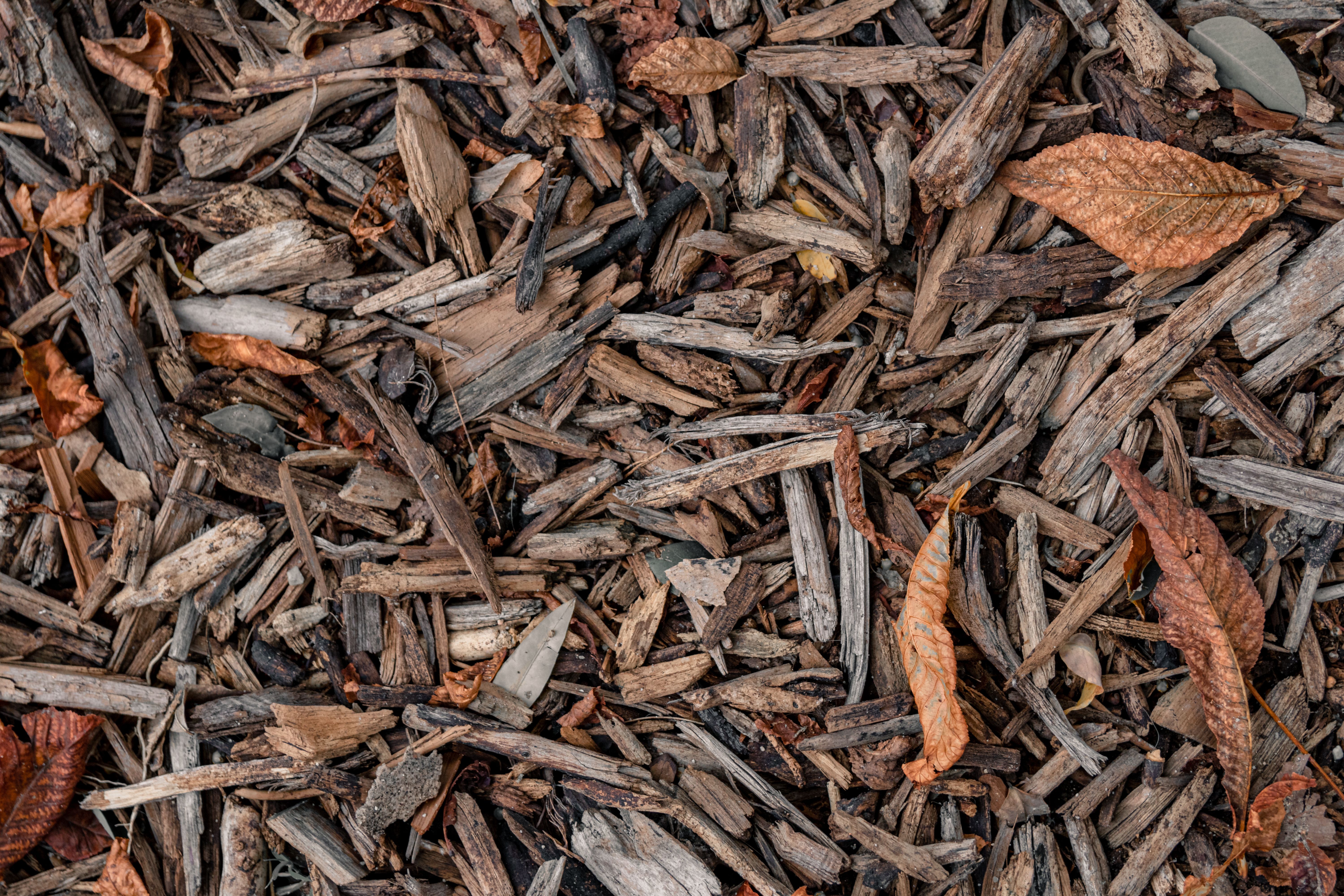
The useful question is not whether every leaf should stay or go. It is where each pile can help without blocking drainage, smothering small plants or making a slippery path. A short sorting pass turns cleanup into material management.
Healthy leaves that can protect bare soil or feed a leaf-mold pile.
Leaves covering drains, walkways, tender plants or thick lawn areas.
Diseased material or anything restricted by local guidance.
Choose a mulch destination, a contained leaf-mold or compost area, and a remove-or-dispose pile. Check local rules before moving plant material off site. Keeping destinations clear prevents one giant pile from becoming an unfinished job.
A light, loose layer can reduce bare-soil exposure. Thick wet mats can restrict air and hold too much moisture against crowns or small plants. Shred or break up leaves when appropriate, and keep material away from trunks, stems and structures.
Remove leaves from drains, steps, paths, vents and areas where water must move freely. Avoid piling them against siding or foundations. Do not leave slick layers where people walk.
If fall cleanup keeps revealing disconnected beds, drainage and storage zones, use this exercise as a map for a simpler backyard layout.
Compare the broader planning framework →Paid affiliate link · We may earn a commission.Contain extra healthy leaves in a breathable bin or designated pile and keep them lightly moist rather than waterlogged. Leaf mold takes time; label the pile and let decomposition do the work instead of treating it as instant compost.
Where it is safe and appropriate, some stems, seed heads and loose leaf cover can provide seasonal habitat. Keep this deliberate: preserve useful pockets while maintaining visibility, access and fire-safety requirements for your property.
The Self-Sufficient Backyard is a paid third-party guide covering a broader collection of backyard projects. Review the seller's description and decide whether its scope fits your climate, property, budget and goals.
See what the complete guide includes →Paid affiliate link. We may earn a commission if you purchase, at no additional cost to you. We do not promise specific results.General educational information only. Follow local yard-waste, plant-health, drainage and fire-safety guidance.